


Early action starts under the skin

by Jimmy Bakker (Global Product Manager)
The theme for World Diabetes Day 2026 is early action on diabetes. But what do early diagnosis and risk reduction mean in practice for you and me, potential patients, and healthcare professionals? The facts about diabetes are widely published; many people living with diabetes are not diagnosed, limiting the opportunity to intervene early. An estimated 252 million adults worldwide — more than 4 in 10 people with diabetes — are unaware they have the condition [1]. Even with a diagnosis, access to care remains highly unequal: in 2022, almost 450 million adults with diabetes were not receiving glucose-lowering treatment, 90% of them in low- and middle-income countries (WHO, 2024).
Initiatives such as World Diabetes Day, led by the International Diabetes Federation (IDF) in collaboration with the World Health Organization (WHO), are essential for raising awareness, educating clinicians, and guiding research. At Perimed, we focus on the other end of the scale: the body’s smallest blood vessels.
Estimated reading time: 0 minutes
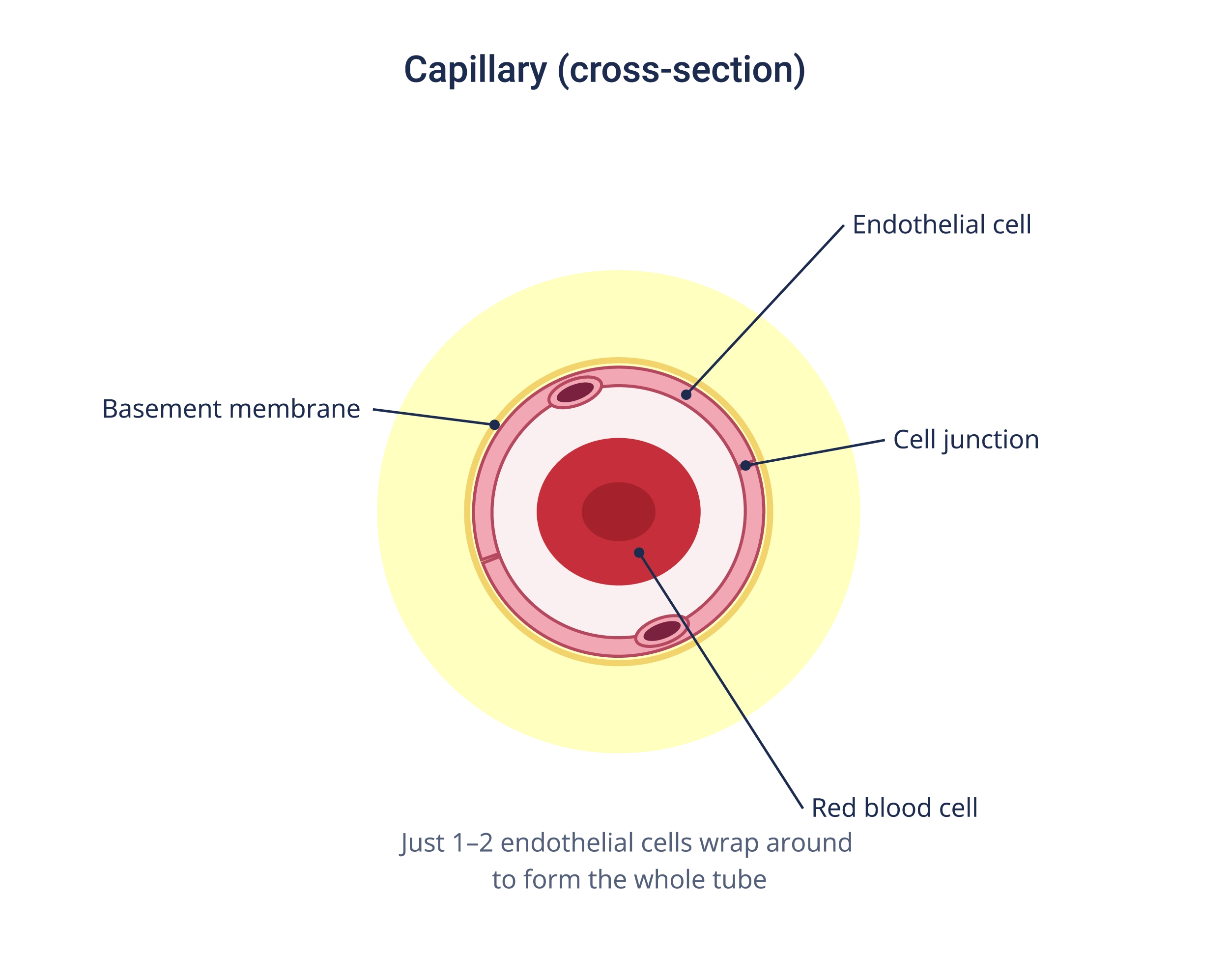
Chronic high blood sugar damages the lining — the endothelium — of small vessels, and the resulting microvascular dysfunction is detectable early, already in prediabetes [2]. Our focus is on providing the tools to measure how well these tiny vessels function, ensuring that when care is available, clinicians can spot early warning signs long before complications become visible.
Early action, before it shows
Diabetes affects the microcirculation long before visible problems such as foot ulcers appear. Endothelial damage gradually impairs the ability of small vessels to increase blood flow when tissue needs more oxygen and nutrients.
From the outside, a foot can look fine. The skin is intact, and pulses may be present. But underneath, the microcirculation is losing its reserve [3] — its capacity to respond to pressure, injury, or infection is shrinking.
Combined with reduced sensation from neuropathy, this is a dangerous situation. A blister, a tight shoe, or a minor cut may go unnoticed, and a wound that would heal within days in a healthy person can heal slowly, or not at all, in someone with diabetes.

Visual inspection only looks at the surface of the skin, and pulse palpation tells us whether blood reaches the foot through the larger arteries, but neither says much about the small vessels where healing occurs. Ankle-brachial index (ABI) is a valuable screening tool, but it has known blind spots in people with diabetes [4] [5].
Calcified, stiff arteries can’t be compressed properly by the cuff, which can make ABI look normal or even high. And because ABI measures pressure at the ankle, it cannot detect disease further down in the foot or in the microcirculation. Either way, the result can hide a foot that is poorly perfused where it matters: in the skin.
We explored this in more detail, with a patient case, in last year’s World Diabetes Day post, Uncovering the hidden side of diabetes.
What early action can look like
Early action can mean measuring what the eye can’t see, while there’s still time to act. Microcirculation can be assessed noninvasively, using several guideline-recommended methods [5] [6].
- Transcutaneous oxygen pressure (TcpO2) indicates how much oxygen actually reaches the skin. It helps judge healing potential and whether a patient may need referral for revascularization.
- Skin perfusion pressure (SPP) measures the pressure needed to restore blood flow in the skin’s small vessels. It isn’t affected by calcified arteries the way ABI can be.
- Perfusion imaging shows blood flow across an area as a real-time color map. It makes perfusion differences visible.
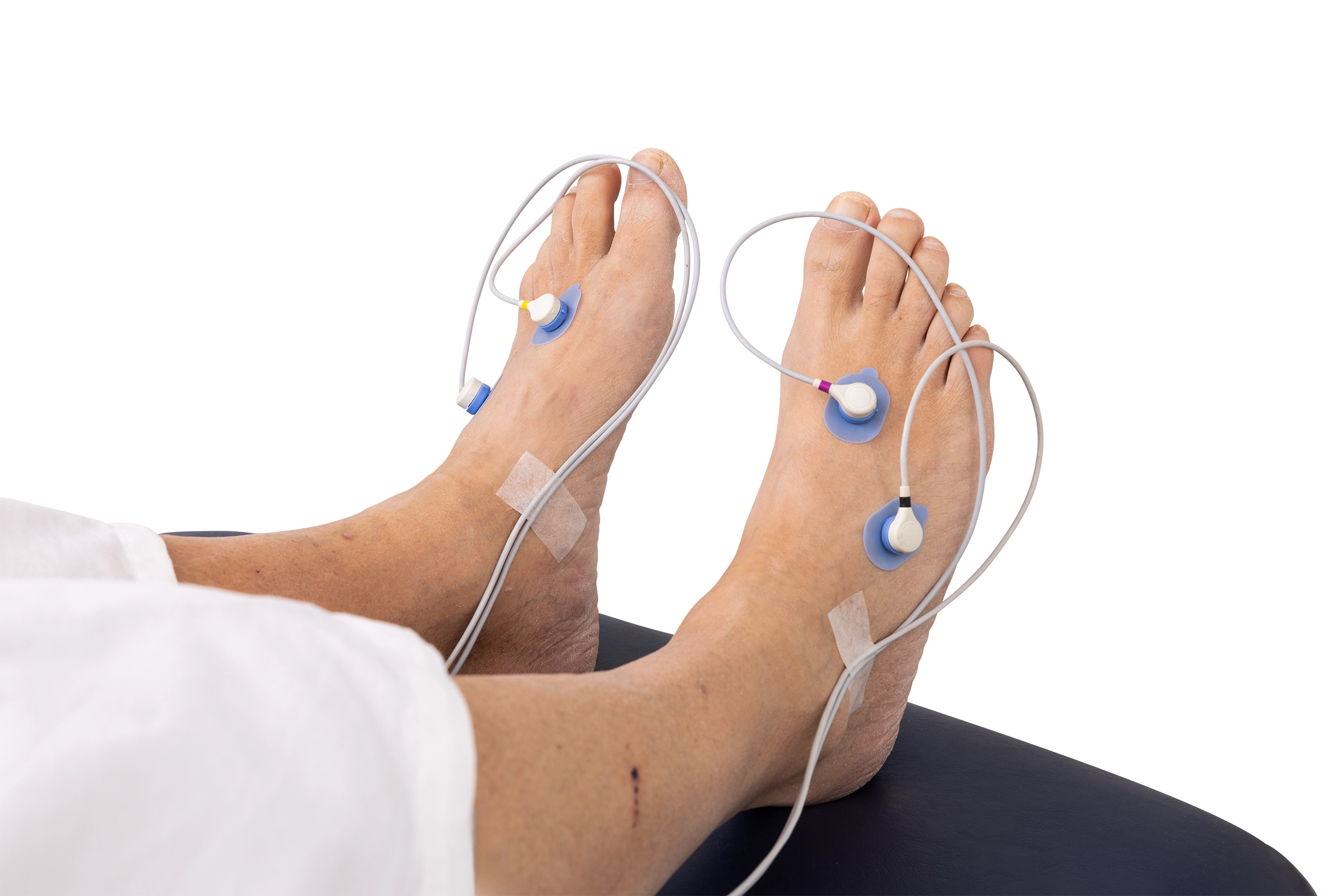
Used early, these measurements turn a hidden risk into a number or an image, making it easier to prioritize follow-up, plan offloading and footwear, and refer at the right time, before the first wound appears instead of after.
Three questions to prompt early action
For clinicians who treat people with diabetes, early action can start with three simple questions:
- Does this patient’s ABI tell the whole story? If the arteries may be calcified, a normal value isn’t necessarily reliable.
- Is the patient’s perfusion getting worse? A baseline microcirculation measurement reveals change between check-ups.
- Why measure if the patient has no wounds? For high-risk feet, the best time to assess perfusion is while the skin is still intact.
Delivering insights for early action

As I mentioned at the beginning of this post, Perimed focuses on measuring small-vessel function, building solutions that reveal early warning signs long before complications become visible. If you’d like to dig deeper into the research, I recommend watching our webinar with Professor Houben, who is part of the Maastricht study [2]: Microvascular dysfunction as an early marker of cardiometabolic diseases. The Maastricht Study includes a broad set of measurements, including skin hyperemic response, which we refer to as laser Doppler with heat. After measuring a baseline perfusion value, this protocol assesses the vasodilatory response as a thermostatic laser Doppler probe heats the skin, measured as a percentage increase from baseline or other parameters such as response time. For more on this protocol, I refer you to our blog post: The power of combining laser Doppler with TcpO2 — one protocol, multiple insights.
If you’d like to learn more about the relevant solutions we have developed to deliver insights for early action, check out PeriFlux 6000, which supports recommended SPP, TcpO2, and Laser Doppler with heat, and our perfusion imager, PeriCam PSI, which provides real-time color maps.
Global Product Manager
I’ve been with Perimed for over 10 years, and in my role as Global Product Manager, I get to work with amazing people who use our instruments to improve outcomes and find novel therapies for some of the world’s most prevalent diseases. I have a Master’s degree in applied physics and a Ph.D. in applied optics.
References
- Teufel, F., Orgutsova, K., Genitsaridi, I., Carrillo-Larco, R. M., Varghese, J. S., Marcus, M. E., Sacre, J. W., Sajjadi, S. F., Chiwanga, F., Manne-Goehler, J., Seiglie, J., Flood, D., Harding, J., Salpea, P., Salim, A., Boyko, E. J., Magliano, D. J., & Ali, M. K. (2026). Global, Regional, and National Estimates of Undiagnosed Diabetes in Adults: Findings From the 2025 IDF Diabetes Atlas. Diabetes care, 49(3), 490–496. https://doi.org/10.2337/dc25-2583
- Sörensen, B., Houben, B., Berendschot, T. T. J. M., Schouten, J. S. A. G., Kroon, A. A., van der Kallen, C. J. H., Henry, R. M. A., Koster, A., Sep, S. J. S., Dagnelie, P. C., Schaper, N. C., Schram, M. T., & Stehouwer, C. D. A. (2016). Prediabetes and Type 2 Diabetes Are Associated With Generalized Microvascular Dysfunction The Maastricht Study. Circulation, 134(18), 1339-1352.
https://doi.org/10.1161/CIRCULATIONAHA.116.023446 - Stehouwer C. D. A. (2018). Microvascular Dysfunction and Hyperglycemia: A Vicious Cycle With Widespread Consequences. Diabetes, 67(9), 1729–1741. https://doi.org/10.2337/dbi17-0044
- Aboyans, V., Criqui, M. H., Abraham, P., Allison, M. A., Creager, M. A., Diehm, C., Fowkes, F. G., Hiatt, W. R., Jönsson, B., Lacroix, P., Marin, B., McDermott, M. M., Norgren, L., Pande, R. L., Preux, P. M., Stoffers, H. E., Treat-Jacobson, D., American Heart Association Council on Peripheral Vascular Disease, Council on Epidemiology and Prevention, Council on Clinical Cardiology, … Council on Cardiovascular Radiology and Intervention, and Council on Cardiovascular Surgery and Anesthesia (2012). Measurement and interpretation of the ankle-brachial index: a scientific statement from the American Heart Association. Circulation, 126(24), 2890–2909. https://doi.org/10.1161/CIR.0b013e318276fbcb
- Fitridge, R., Chuter, V., Mills, J., Hinchliffe, R., Azuma, N., Behrendt, C. A., Boyko, E. J., Conte, M. S., Humphries, M., Kirksey, L., McGinigle, K. C., Nikol, S., Nordanstig, J., Rowe, V., Russell, D., van den Berg, J. C., Venermo, M., & Schaper, N. (2024). The intersocietal IWGDF, ESVS, SVS guidelines on peripheral artery disease in people with diabetes and a foot ulcer. Diabetes/metabolism research and reviews, 40(3), e3686. https://doi.org/10.1002/dmrr.3686
- Gornik, H. L., Aronow, H. D., Goodney, P. P., Arya, S., Brewster, L. P., Byrd, L., Chandra, V., Drachman, D. E., Eaves, J. M., Ehrman, J. K., Evans, J. N., Getchius, T. S. D., Gutiérrez, J. A., Hawkins, B. M., Hess, C. N., Ho, K. J., Jones, W. S., Kim, E. S. H., Kinlay, S., Kirksey, L., … Peer Review Committee Members (2024). 2024 ACC/AHA/AACVPR/APMA/ABC/SCAI/SVM/SVN/SVS/SIR/VESS Guideline for the Management of Lower Extremity Peripheral Artery Disease: A Report of the American College of Cardiology/American Heart Association Joint Committee on Clinical Practice Guidelines. Circulation, 149(24), e1313–e1410. https://doi.org/10.1161/CIR.0000000000001251
Disclaimer
The views expressed in this blog post are those of the author and do not necessarily represent the official position of Perimed. The content is provided for informational purposes only and is not intended to constitute clinical claims or medical advice. Clinical decisions should always be based on professional judgment and applicable clinical guidelines.