


Perimed ensures long-term continuity for TcpO2
Enabling clinicians to assess microcirculation has been at the core of Perimed’s mission since the company’s inception in the early 1980s. With more than four decades in medtech, we know that continuity is not something you declare — it is something you actively manage as technologies, components, and regulatory requirements evolve.
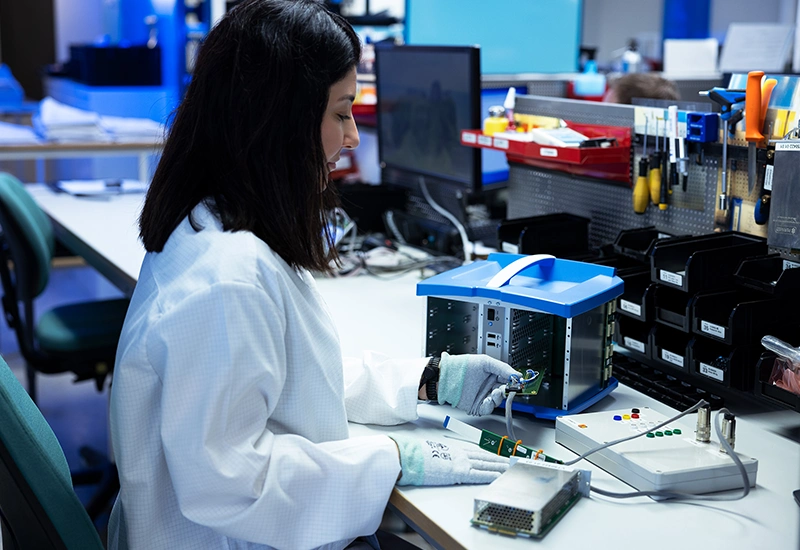
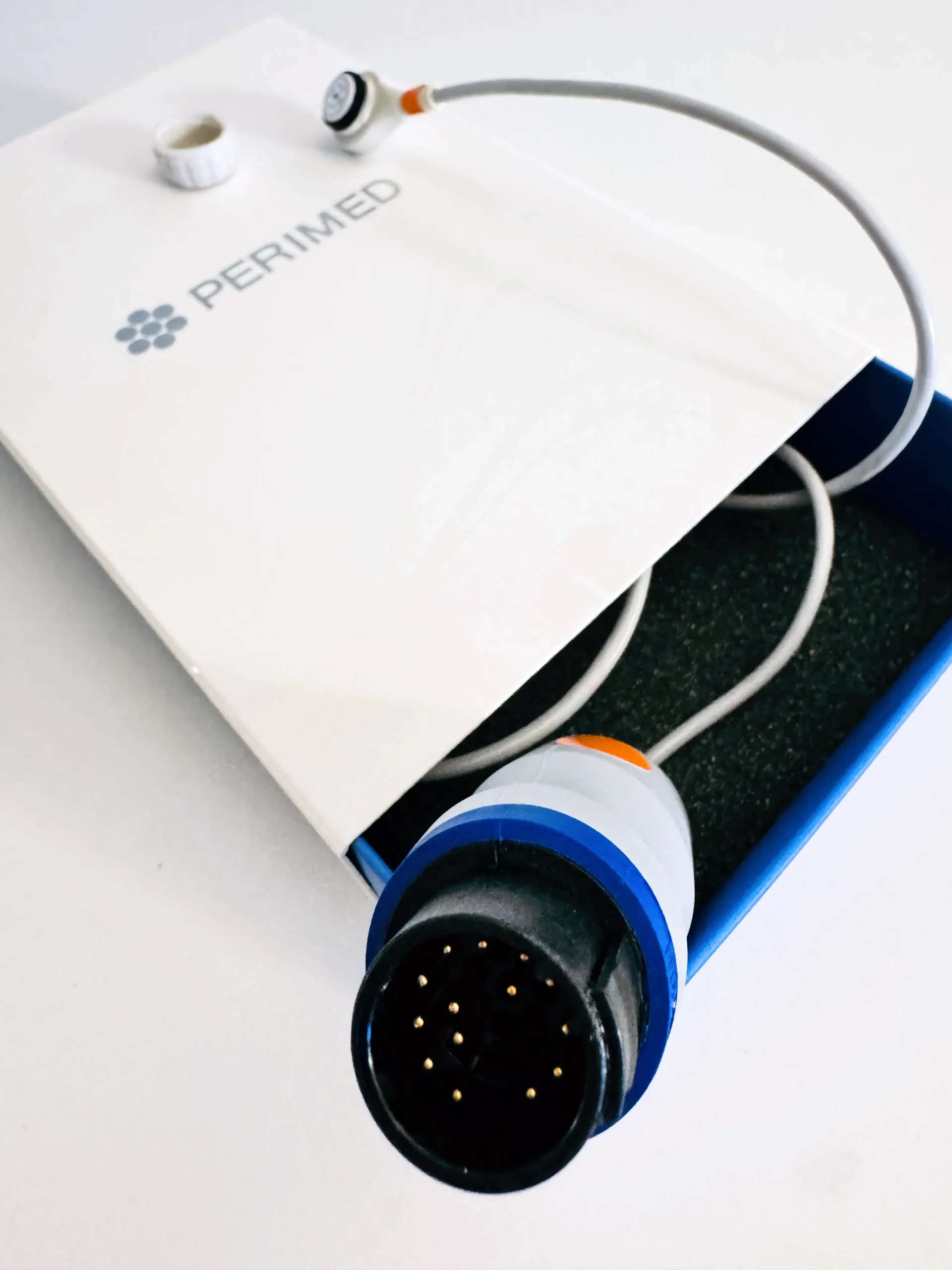
To ensure long-term availability and continuity of the transcutaneous oxygen (TcpO2) electrode delivered with our PeriFlux 6000 instruments, Perimed has made the strategic decision to bring the manufacturing of this sensor and related TcpO2 consumables in-house.

The strategic decision to manufacture a TcpO2 sensor identical to those delivered with PeriFlux 6000 today ensures supply and maintains measurement quality for clinicians and researchers who rely on our instruments and TcpO2 measurements for patient assessment and therapy development.
For Perimed, it ensures we retain full control over development and the lifetime of instruments and sensors, so our existing and future customers can continue to rely on their systems today and in the years to come.
In practical terms, Perimed will assume full responsibility for the manufacturing and long-term availability of the Clark electrode used with our PeriFlux 6000 solutions. Existing systems remain fully supported, and customers can expect the same performance, documentation, and regulatory compliance they rely on today — with the added benefit of tighter integration into our own production and quality processes.
Bringing the Clark electrode in-house will allow us to leverage our experience in precision sensor production, and clinicians can continue to rely on the same high standards of quality, reliability, and continuity they’ve come to expect from Perimed.
In addition to assuming responsibility for the Clark electrode, Perimed will also produce the membrane replacement kit essential for proper maintenance and optimal measurement performance.
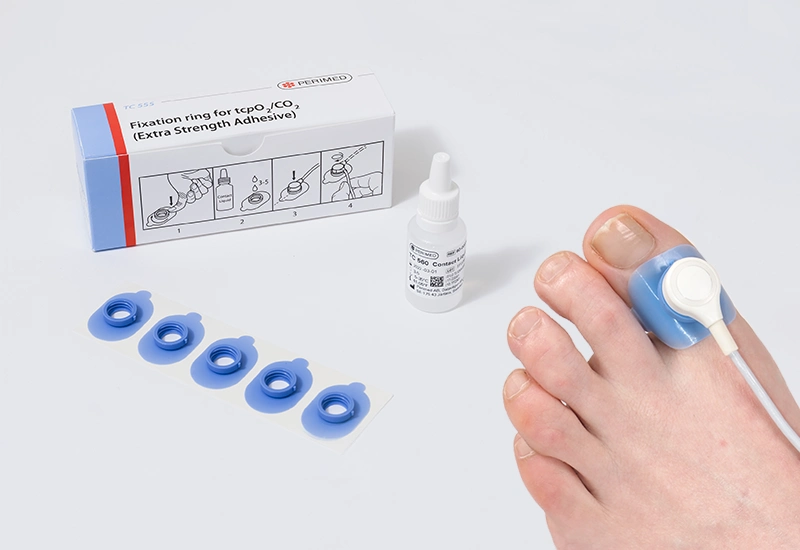
TcpO2 measurement performance, however, does not rely solely on an instrument capable of accurately interpreting signals from a properly maintained electrode. Fixation rings and contact liquid, which create a secure, sealed connection with the skin and prevent oxygen leakage, are also critical components of the overall solution.
To ensure continuity, we recently ramped up production of these two consumables in response to Radiometer’s end-of-life notice of their equivalent products earlier this year. And at the end of 2026, we will resume full control over sales of PeriFlux 6000 Standalone, which is currently managed by Radiometer in a number of regions — see the full list of regions on our website.
As we take over manufacturing of the E5250 TcpO2 electrode and D826 membraning kit from Radiometer, these products will continue with the same names and specifications — avoiding confusion and ensuring compatibility.
The addition of the electrode and membrane kits to our existing portfolio of Perimed-manufactured TcpO2 accessories ensures reliable supply, facilitates product lifecycle management, and supports the continued development of our transcutaneous solutions in line with future clinical and regulatory expectations.
For detailed questions about TcpO2 measurements and our entire TcpO2 product portfolio, feel free to contact your local Perimed subsidiary, sales office, or distributor: contact details.
Per Wallén (Chief Executive Officer)
As CEO of Perimed, I am dedicated to driving the company’s commercial success while ensuring our solutions continue to meet evolving clinical and technological needs. Throughout my career, I have focused on the commercial side of medical device sales in senior leadership roles. My formal training in anti-submarine warfare taught me the value of preparation, clear communication, and decisive action — qualities I believe are crucial to commercial success.

Disclaimer
The views expressed in this blog post are those of the author and do not necessarily represent the official position of Perimed. The content is provided for informational purposes only and is not intended to constitute clinical claims or medical advice. Clinical decisions should always be based on professional judgment and applicable clinical guidelines.